Mold After Fire Damage in Richmond West, FL
Mold removed from wet drywall, insulation and sound framing after a fire in your Richmond West property. Call 24/7 to start your moisture assessment and cleanup.
- Firefighting water traced
- Containment and HEPA filtration
- Wet materials assessed
Services for Mold After Fire Damage in Richmond West
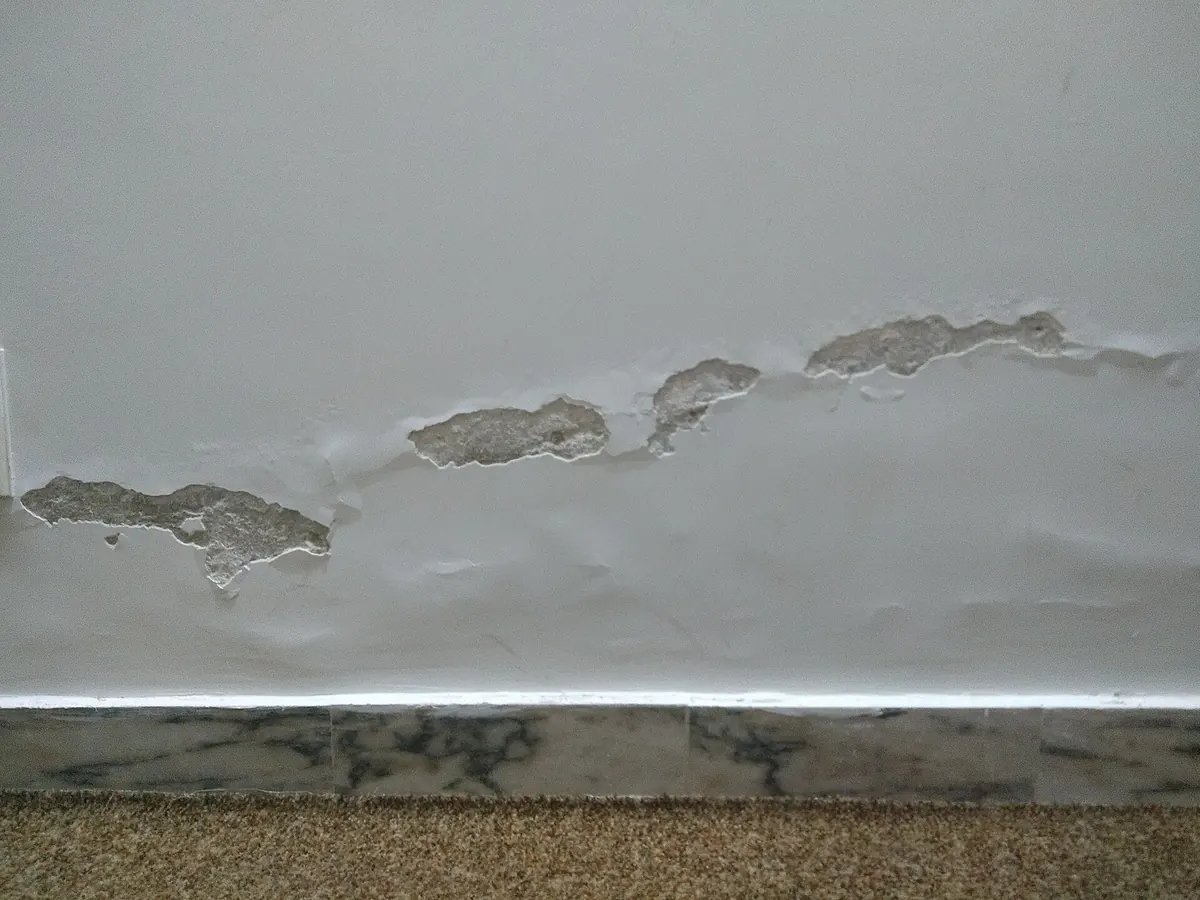
Where firefighting water reached your attic framing, ceilings, walls or floor layers, cleanup addresses mold. The work removes damaged materials and includes both drying and cleaning of sound surfaces.
Firefighting can leave water in your rooms even without flame damage there. Mapping the moisture tracks dampness in drywall and insulation as well as concealed cavities beyond visible growth.
Only areas cleared for entry remain accessible. Your scope documents mold removal separately from work on burned materials, fire restoration and cleaning soot.
- Checking firefighting water and the moisture source
- Contained drywall and insulation removal
- Sound framing and cavity cleaning
- Structural drying with moisture readings
- Final checks before replacement finishes
When Your Richmond West Property Needs Mold Cleanup After a Fire
Musty smells, growth and moisture warrant a post-fire assessment.
Damp Ceilings Below the Fire
You may notice soft or stained ceilings where water remains between floors.
Mold on Previously Wet Walls
Drywall or trim beyond the flames shows spotting after contact with firefighting water.
Musty Odor Beneath Smoke Odor
You still notice a musty smell despite fading smoke odor.
Wet Insulation Under Roof Openings
Insulation stays damp where water entered your attic.
Mold Near Floor Edges and Cabinets
Around baseboards, cabinets or flooring, growth or swelling becomes visible.
The Process for Mold Cleanup After Fire Damage
Your cleanup starts with access permission, followed by removal, drying and final checks.
Access and Mold Assessment
Access rules determine available rooms. Dampness is mapped using a moisture meter; a thermal imaging camera detects temperature variations, not mold.
Moisture Source and Cleanup Scope
Water paths, roof openings and leaks are assessed. The scope separates mold work from water removal, board-up, leak repair and smoke damage restoration.
Mold Containment and Filtration
The containment barrier consists of poly sheeting. To reduce spreading particles, work uses negative air pressure, protective equipment and a HEPA air scrubber.
Damaged Material Removal
Moldy insulation goes into bags inside containment, along with water-damaged materials beyond salvage. Drywall removal exposes affected cavities, and a protected route is used for debris.
Framing and Surface Cleaning
Sound framing, along with non-porous surfaces, gets suitable damp cleaning and HEPA vacuum cleaning. Removal remains necessary despite antimicrobial treatment, and soot needs its own cleanup.
Structural Drying
Dehumidification and controlled air movers support the drying process. Drying equipment settings respond to moisture readings alongside correction of continuing water entry.
Mold Cleanup Verification
Post-remediation verification covers drying and cleaning. Use an independent assessor for clearance testing when required by the scope.
Containment Removal and Repair Handoff
Remove containment once verification and final cleaning are complete. Before replacement finishes go in, moisture corrections and required fire and water damage repairs take place.
Your Choice for Mold After Fire Damage: Why Miami Mold Removal Services
Clear Mold Cleanup Scope
Mold removal and drying are distinct in your scope from rebuilding and smoke cleanup.
Calls Answered 24/7
One number starts your post-fire mold assessment across the metro, including nights and weekends.
Contained Work With HEPA Filtration
HEPA filtration suits the removal work, and containment safeguards neighboring areas.
Firefighting Moisture Traced First
Water paths through ceilings, wall cavities and floor layers are assessed before removal.
Removal Through Final Checks
Removing, cleaning and drying materials precede the final checks and containment removal.
Before Post-Fire Mold Cleanup in Miami-Dade County
Call for your assessment. Leave all restricted areas untouched.
- Respect Fire Restrictions. Before reaching wet materials, put electrical dangers and structural hazards first.
- Leave Mold Undisturbed. Avoid pulling insulation, scraping growth or disturbing mixed debris from the fire.
- Keep Affected HVAC Off. EPA says suspected mold-contaminated equipment should not run because it can spread mold spores.
- Avoid Wet Wiring. Stay clear of water around damaged fixtures, panels and electrical outlets.
- Keep the Work Area Clear. Exclude people and pets from affected rooms and routes used to remove debris.
Pricing for Mold After Fire Damage in Richmond West, FL
National ranges for mold cleanup and repair cover overlapping costs. Do not total them or use them as the price for all your fire restoration work.
Typical national range, average $3,500
$1,500 to $9,000 per jobSource: Fixr, Mold Remediation Cost (checked 2026-10-23)Restoration for severe cases
$10,000 to $20,000 per jobSource: Fixr, Mold Remediation Cost (checked 2026-10-23)Damage repair after remediation
$2,000 to $20,000 per jobSource: Bob Vila, Mold Remediation Cost (cites Angi and HomeAdvisor) (checked 2026-10-23)Areas over about 10 square feet: rate for professional work
Each square foot costs $10 to $30Source: Fixr, Mold Remediation Cost (checked 2026-10-23)What Changes Post-Fire Mold Cleanup Cost
- Affected square footage
- Drying equipment and moisture levels
- Replacement finishes
- Separate roof and leak repairs
- Insulation and debris volume
- Access behind walls and ceilings
Your Price and Cleanup Scope
These published national ranges are planning figures. Your on-site assessment defines the work and price before cleanup starts, including any separate source repairs or rebuilding.
Call (844) 352-3560 about costMold After Fire Damage Service Area Across Greater Miami
Call (844) 352-3560 to arrange cleanup in Richmond West or nearby communities. One number covers the metro.
Mold After Fire Damage in Locations Near Richmond West
ZIP codes
Frequently Asked Questions About Mold After Fire Damage in Richmond West
Are smoke damage and leaks addressed as part of mold cleanup?
Your scope must list leak repair and smoke cleaning for either to be included. The assessment separates mold removal from corrections while identifying where water continues entering. Soot and burned materials need fire restoration work. Drying and verification precede new finishes over affected areas.
How long should you allow for mold cleanup following a fire in Richmond West?
Permitted access and assessment determine your schedule. Opening wet cavities, removing insulation and drying framing take different amounts of work. Moisture readings determine how long drying takes. When you can reopen rooms and install replacement finishes depends on final checks and fire repairs.
Is staying in your property possible during mold cleanup?
Your ability to occupy the property rests on fire restrictions, usable utilities and structural condition. Mold work needs a controlled debris path as well as separation from rooms in use. Access limits are established before removal. You cannot judge whether staying is appropriate from containment alone; some properties remain empty for the duration of repairs.
Is testing needed before or after post-fire cleanup?
Air sampling is frequently not needed for visible mold, according to EPA guidance. Moisture mapping and inspection define the affected area. Cleaning and drying are checked before containment comes down. Specified clearance testing is carried out by an independent assessor. Federal limits do not exist for mold levels inside buildings.
Must all drywall and framing damaged by fire be removed?
Removal depends on assessed damage and material condition. You may need to discard moldy insulation and drywall while keeping sound framing for cleaning and drying. Burned wood requires its own structural evaluation. Your scope separates fire demolition and structural repairs from mold removal.
Could you see mold again following cleanup?
If dampness lingers or water returns, you may see mold again. Before removal, your cleanup tracks ongoing leaks and firefighting water. Clean and dry sound surfaces, with corrections for moisture set out in the scope. Drying checks precede replacement finishes to prevent enclosing materials that remain damp.
What does post-fire mold cleanup cost in Miami-Dade County?
Your cost reflects removal needs, drying requirements, affected square footage and moisture concealed within materials. The cards show national ranges with different scopes and units. Before work begins, your assessment sets mold cleanup charges and separately identifies replacement finishes, moisture repairs and smoke cleaning.
Post-Fire Mold Cleanup and Insurance in Florida
Your homeowners policy, deductible, exclusions, mold limits and the source of moisture determine insurance coverage. Mold cleanup may receive different treatment from fire repairs in your claim.
Safety During Post-Fire Mold Work in Greater Miami
Access controls, fire damage and contaminated water shape your cleanup.
Mixed Fire Debris
The water condition is assessed after contact with soot and damaged materials.
Hidden Mold
Nearby finishes that appear dry do not eliminate the need to assess wet cavities.
Restricted Work Zones
Removing materials uses containment alongside an air filtration device to limit spreading particles.
Structural Damage
Mold cleaning cannot determine the load-bearing ability of burned framing.
Cleanup scope: Fire hazards remain unresolved by EPA homeowner advice for areas under about 10 square feet. Extensive damage, HVAC involvement or contaminated water calls for professional assessment.
Fire-Water-Damaged Mold Materials in Miami-Dade County
Cleaning or removing your materials depends on their condition.
Drywall and Insulation
- Removing affected porous materials may be necessary to uncover concealed cavities for drying.
Wood Framing
- Sound wood receives cleaning and drying. A separate structural evaluation is necessary for fire-damaged framing.
Tile, Metal and Floor Layers
- Accessible non-porous surfaces may be cleanable. Each damaged carpet, cabinet and subfloor receives assessment.
Mold Cleanup After a Fire: Scheduling in Miami-Dade County
Entry, removal, drying and repairs determine your schedule.
- Access Restrictions: Restricted rooms delay assessment and the start of removal.
- Concealed Moisture: Successive readings monitor how opened wall and floor structures are drying inside.
- Repair Readiness: Installing replacement finishes comes after final verification plus correction of moisture issues.
Greater Miami Mold and Smoke Odor Following Fire Damage
Check your materials and moisture when an odor is musty. Soot and smoke smells require separate fire cleanup. Fragrance corrects neither underlying source.
EPA advises an ideal indoor relative humidity range of 30 to 50 percent and a level below 60 percent. Your dehumidifier aids humidity control without repairing leaks or removing mold.
Florida Requirements for Fire Repairs and Mold Work
Mold Work Requirements
Florida licenses mold assessors and mold remediators through the Department of Business and Professional Regulation (DBPR). State law ties mold assessment and remediation work, and titles like mold assessor, to that licensing part of Chapter 468, so ask to see a license before hiring.
EPA Guidelines for Drying
To prevent mold growth, get water-damaged areas and items dry within 24 to 48 hours.
Fire Repair Permits
The included electrical, structural or roof work determines which permits are required.
State Mold Information
The Florida Department of Health Radon and Indoor Air Program answers indoor mold questions at 800-543-8279, and its mold page stresses fixing the moisture source first. The department says visible growth or a musty smell is usually enough to act on, and it does not recommend mold testing.
State guidance: Florida Department of Health: Mold; Florida Statutes 468.8419 (2024), Florida Senate; Florida Department of Health in Duval County: Mold and Your Health
Related Services and Next Steps
Start Your Mold After Fire Damage in Richmond West
Call 24/7 to arrange your assessment. Your cleanup starts with the affected surfaces, moisture source and access to your home.